|
|
|
|
Emotional Appeal as a Determinant of Consumer Behaviour in Modern Indian Advertisements
Dr. Vishwajit Singh 1
1 Assistant
Professor, Department of Applied Art, Faculty of Visual Arts, DLCSUPVA, Rohtak,
India
|
|
|
ABSTRACT |
|
|
One of the most powerful and
persuasive tools shaping Consumer decision-making in contemporary Indian
advertising is Emotional Appeal. With the target to establish a stronger
brand consumer connection in a culturally diverse nation as India, the
advertisers are strategically employing emotions such as empathy, humour,
love, kindness, patriotism, nostalgia, happiness, and family bond, to
leverage emotions to create memorable brand identities. This paper focuses on
examining how emotional appeal functions within the Indian advertising
landscape and what factors in an emotional appeal influence the consumer more
effectively than an advertisement based on a rational appeal. Based on the
findings of behavioural insights, a theoretical framework, and relevant contemporary
examples, the paper highlights not only the aesthetic but also the
psychological characteristics of emotional appeal that act as a key
determinant in building trust in a brand, influencing recall and purchase
intent among consumers. In Indian advertising, emotions have emerged as the
driving force behind several successful campaigns, driving emotional appeal
to stand at the core of advertising strategies in India, where cultural
diversity, social values, and collective identity have a strong influence on
consumer decision-making. The study is an analysis of the
psychological impact of emotional appeal on consumer behavioural theories. A
diverse range of case studies is taken into account, from telecom to
automotive, healthcare, public service, and social campaigns. It further highlights
the emotional strategies adopted by advertisers to resonate with India’s
heterogeneous audience, enhancing it as a strategic tool to tap into
sentiment-driven decision-making. |
|||
|
Received 12 October 2025 Accepted 20 November 2025 Published 30 December 2025 DOI 10.29121/ShodhShreejan.v2.i2.2025.49 Funding: This research
received no specific grant from any funding agency in the public, commercial,
or not-for-profit sectors. Copyright: © 2025 The
Author(s). This work is licensed under a Creative Commons
Attribution 4.0 International License. With the
license CC-BY, authors retain the copyright, allowing anyone to download,
reuse, re-print, modify, distribute, and/or copy their contribution. The work
must be properly attributed to its author.
|
|||
|
Keywords: Emotional Appeal,
Consumer Decision-Making, Consumer Behaviour, Emotional Marketing |
|||
1. INTRODUCTION
The influential factors that shape emotions in India are apart from the factors that influence emotions in other parts of the world, primarily because of its cultural, geographical, historical, and social blend. Social identity, collective well-being and valuing relationships are influential factors deeply intertwined in the emotions of India. Emotions play a crucial role in intensifying our wants and desires, likes and dislikes, aspirations and anxieties, which are important in making a purchase decision. Shaughnessy argues, “Emotion is not an aberrant element when making buying decisions, but a necessary condition if decisions are not to be continually postponed. The emotional is so paired with making trade-offs in decision making that it is impossible to identify situations where deliberated situations do not have an emotional dimension” O’Shaughnessy and O’Shaughnessy (2003). The diversity of India witnesses a free flow of emotions overlapping everyday experiences, culture and traditions in its movement. Emotions have become a central component of modern marketing strategies aimed at influencing how consumers make choices. In the context of emotional modern marketing, Piccolo argues, “emotions have become the decisive factor in influencing brand choice and fostering loyalty” Piccolo and Boero (2025). The competitive advertising landscape of today requires distinguished advertising appeals, providing a unique means of differentiation in a market that is saturated with similar products.
2. Method and material
This paper is based on a qualitative analysis highlighting the significance of incorporating emotions in marketing and advertising strategies in a diverse country as India. Integral to this paper are case studies of several Indian brands that once relied mainly on product-based and rational appeal, have now shifted to emotional storytelling advertisements to bond deeper with their consumers.
3. Discussion
Over the last few decades, Indian advertising has undergone a profound transformation in terms of the narratives created to appeal to its audience. It has been evident that earlier, Indian advertisements were largely functional, with a rational appeal focusing on the utility, price, and practical benefits of the product. This narrative, however, evolved over the years, weaving the emotional thread into the fabric of advertising strategies, making it a powerful and indispensable communication tactic. The rational and emotional appeals used in advertising strategies have distinct advantages and effectiveness depending upon the product type, cultural context, and target audience. Advertising in India today integrates emotional storytelling with rational benefits to support the purchase decision of consumers. In context to the benefits of emotional and rational appeal in advertising, Moorthi argues, “If rational benefit is for the head, emotional benefit is for the heart” Moorthi (2015). It was in the 1960s, with the first advertising convention, that the time had come for advertising in India to become Indian at core, “totally Indian in thought and content” Encyclopaedia Britannica India (2000).
Figure 1
|
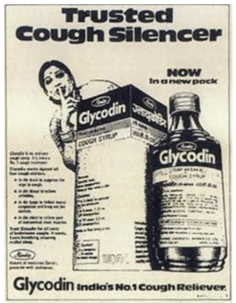
Figure 1 Glycodin Advertisement Source Encyclopaedia
Britannica India (2000) |
Figure 2
|
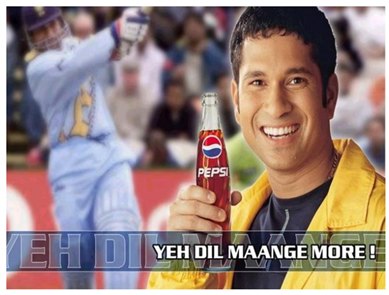
Figure 2 Pepsi yeh Dil Mange more Source Vyankatesh
(2012) |
This primarily meant that Indian advertising began to move away from Western narratives and visuals, starting to reflect a more Indian way of living; however, despite becoming culturally Indian, the advertisements of that era were dominantly rational in their appeal. The focus of those advertisements was mainly on product features, utility, price, durability, quality, comparison, and technical benefits that the product had to offer, a fine example of which is the Glycodin advertisement. It was the decade of the 1990s that saw an explosive boom in the Indian advertising industry, as, post-liberalisation in India, competition amongst products and services increased drastically, demanding creative talent to present a more conceptualised and developing India. With an inflow of a wider choice of products and services due to LPG, consumer buying and spending behaviour transformed. “Further, with satellite television and digital technology, the character and complexion of Indian media and entertainment industry underwent a radical change” Neelamegham (2012). The advertising landscape was transformed with the introduction of satellite television in India, as it gave brands unparalleled access to diverse audiences across the country. Channels such as Sony, Star TV, and MTV brought youth culture, global advertising styles, celebrity branding, and high–energy storytelling straight to Indian homes. An example of change in advertising appeal in the 1990s is the iconic Pepsi ad of “yeh dil mange more” featuring Sachin Tendulkar. That was the era of Sachin emerging as a national hero. Pepsi mindfully used his aspirational image to evoke emotions of pride, enthusiasm, and youth, empowering feelings to strongly resonated with the viewers.
To understand emotional appeal as a determinant of consumer behaviour in contemporary Indian advertisements, an insight into cognitive appeal theories can explain how individuals evaluate a situation, and the manner in which these evaluations generate specific emotional responses that later influence their decisions. But, before that, it is to be understood what an emotion is. William Lyons argues, “An emotion is usually caused by a person consciously or unconsciously evaluating an event as relevant to a concern (a goal) that is important…” Dalgleish and Power (1999). In the context of consumer behaviour, these theories help understand the reason why certain advertisements evoke strong emotions and how these emotions guide the buying choice.
· Cognitive Appeal Theory: The cognitive appeal theories state that emotions do not rise automatically; rather, people consciously or subconsciously judge, interpret, and give meaning to what they see.
Figure
3

|
Figure 3 Surf Excel “Daag Ache Hain” Source More (2022) |
The emotional response is shaped later on by this evaluation. Solomon states, “So cognitive appraisal theory places emotions as the result of our mental evaluations; we feel happy because we have received what we believe is appropriate or we feel angry because something has happened that we think is not right” Solomon et al. (2019). Richard S. Lazarus, in his book Emotion and Adaptation, defines emotions so well: “Emotions are like no other psychosociobiological construct in that they express the intimate personal meaning of what is happening in our social lives and combine motivational, cognitive, adaptational, and physiological processes into a single complex state that involves several levels of analysis” Lazarus (1991). Lazarus means that emotions are powerful and unique as they show what something personally means to us, and they combine thinking, motivation, adaptation, and bodily reactions into one complex experience. The advertisement by Surf Excel- “Daag Ache Hain” perfectly illustrates Lazarus’s idea that emotions reflect personal meaning and combine cognitive, motivational, physiological, and adaptive processes. Surf Excel offers a meaningful emotional experience in transforming a simple event of children getting their clothes dirty into a moral significance.
· The Affect heuristic: According to the Affect Heuristic theory, the decisions made by people are often based on their emotions instead of logic; thus, it is aloof from reasoning. Kralik argues, “this affect heuristic can lead to apparently irrational decisionmaking” Kralik et al. (2012), Slovic and others opine, “Affective responses occur rapidly and automatically” Slovic et al. (2007), Christina Del Campo and others state that, “Simple heuristics can be efficient ways of decision making and literature has shown that they are widely used in actual decision situations” (del Campo et al., 2016). The Affect Heuristic comes into action if an advertisement makes the consumer associate with quick, intuitive, and powerful emotions such as warmth, nostalgia, humour, safety, joy, affection and pride.
Figure
4
|
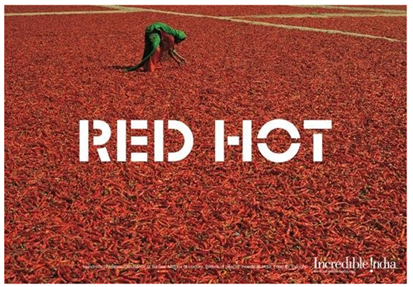
Figure 4 Incredible India Source artpictures
(2023) |
The Incredible India campaign strongly uses the Affect Heuristic. Although the campaign does not directly use emotional and sentimental storytelling in a traditional sense, its emotional power exists in the visual beauty, sensory appeal, cultural pride, and national identity. The stunning visuals in the advertisements of the campaign trigger immediate emotional reactions of awe, wonder, excitement, and curiosity, instantly making the country appear desirable as a travel destination. The campaign portrays an emotional appeal rather than a rational one, as it omits comparing climate, hotel rates, distances, and travel data. Further, a positive emotional bias is created by a sense of cultural pride and identity, evoking sensory emotions. Therefore, the emotional triggers offered by this campaign bypass rational evaluation and create a powerful and immediate desire to experience the incredible India.
Figure
5

|
Figure 5 Incredible India Source Incredible
Journey of Incredible India - Bhatnaturally (2025) |
Emotional Marketing “is the art of tapping into the consumer’s emotions to create a strong and meaningful bond between a brand and its target audience” Subramanyam (2024). Gothi and Thakur opine, “Emotional marketing has been understood as a subset of in fluencies marketing as the consumers develop an emotional connect with the influencers” Gothi and Thakur (2023). Marketing strategies widely use emotions to attract influence and engage consumers at every step of the marketing process. The different steps of emotional marketing include product positioning, pricing strategy, brand storytelling, customer experience, packaging, social media communication, and user engagement. The purpose of emotional marketing is to evoke emotional responses to interest and engage the customer, ultimately leading to brand loyalty.
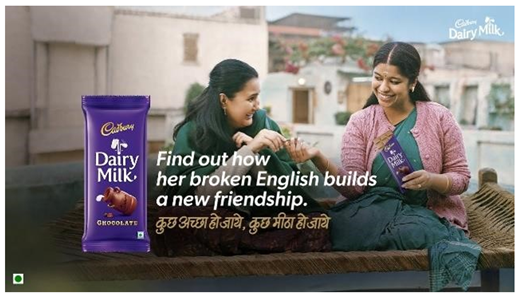
The Cadbury Dairy Milk ad in which a South Indian woman uses her English and broken Hindi to befriend her North Indian neighbour is a relevant example of emotional marketing because it places human connection, compassion, and cultural harmony at the centre of the brand message rather than centralising the product. Instead of highlighting the physical features of the chocolate, the advertisement uses a simple yet heartwarming narrative to evoke emotions as warmth, empathy, and acceptance. What happens when emotional marketing continues over a long period of time? The long-term emotional marketing creates an identity of the brand that is recognised as emotional branding. The repeated portrayal of relatable stories, cultural connections, humour, nostalgia, pride, or empathy gradually gives shape to the brand as its identity in the consumer’s mind. Ajah Excel opines, “Emotional marketing’s greatest strength lies in its ability to connect, but maintaining that connection requires constant effort and innovation” Ajah (2025).
Figure
6
|
Figure 6 Cadbury Dairy Milk “Kuch Acha
Ho Jaye, Kuch Meetha Ho Jaye” Source Cadbury Dairy Milk In (2025) |
Cadbury Dairy Milk perfectly exemplifies the idea that emotional marketing succeeds by creating emotional connections and sustaining them. It is observed that Cadbury has never depended on a single emotional theme; instead, its storytelling is constantly refreshed to match the changing social values, generational expectations, and cultural sensibilities. The brand portrays that the product is not just a bar of chocolate, “but a way to bring happiness and positivity into people’s lives” admin (2023) . Apart from other emotions, empathy has been deeply central to the campaign, “Though the happiness is seen externally, the deeper meaning and emotion which persuasively ascertains the notion of empathy thus are marking the successful campaign across the globe” Balaji et al. (2016).
Figure
7

|
Figure 7 Cadbury Dairy Milk “kiss Me” Source Vee Musical (2020) |
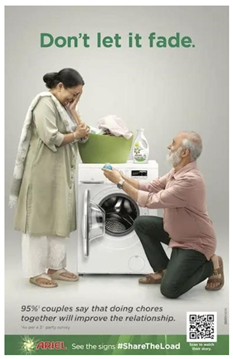
Another powerful example of emotional marketing is Ariel’s #ShareTheLoad campaign, because it focuses on gender equality rather than the detergent’s performance, connecting to a deeper emotional issue in a country like India where patriarchy resides in every bit and corner. Instead of portraying how clean the clothes are washed, Ariel depicts the unfair distribution of work amongst males and females in India. By showing fathers apologising to daughters, husbands learning to share responsibilities, and families redefining gender equality, Ariel taps into the emotional narratives of empathy, guilt, justice, and social responsibility, feelings that highly resonate with the Indian customers. Ariel’s official website claims, “Ariel has been unearthing the reality of inequality within households in India since 2015 with their awardwinning campaign #ShareTheLoad. The movement was started to address the unequal expectations placed on men and women starting from a young age, by asking pertinent questions that make the audience think, introspect and act” Ariel (n.d.).
Figure
8
|
Figure 8 Ariel #ShareTheLoad Ariel's #ShareTheLoad Campaign goes
Beyond Marketing to Drive Social Change in India. (2025) |
4. Conclusion
Contemporary Indian advertising places emotional appeal as the driving force in giving shape to consumer behaviour, surpassing the once dominant rational approach that defined and existed in the early decades of Indian advertising. Rational appeal now coexists with emotional marketing and strategies rooted profoundly in aspects such as nostalgia, culture, empathy, social values, and identity. By presenting a comparative analysis of both rational and emotional appeals, this paper reveals how advertising campaigns as Surf Excel’s “Daag Ache Hain”, Cadbury Dairy Milk’s “Kuch Achcha Ho Jaye, Kuch Meetha Ho Jaye”, and the evertransformative campaign by Aerial, “#ShareTheLoad” have repositioned Indian brands from mere product problem solvers to influencing storytellers that reflect the aspirations and lived experiences of Indian consumers. The paper also focuses on the positive outcomes of emotional marketing that result in brand loyalty, emotional branding and influences on consumer purchase decisions. Emotional appeal forges meaningful psychological connections that cannot be achieved by rational persuasion alone. With India’s media ecosystem developing at a high pace and technological advancements, emotional appeal stands at the centre of advertising strategies. This redefines how consumers relate to, perceive, and ultimately choose the desired brand. Thus, emotional appeal has become not just a technique of marketing, but a strategic determinant of consumer behaviour in modern advertising in India.
CONFLICT OF INTERESTS
None.
ACKNOWLEDGMENTS
None.
REFERENCES
Ajah, E. (2025). Emotional Marketing: Creating Ads That Connect and Convert. Recorded Books.
Ariel's #ShareTheLoad Campaign goes Beyond Marketing to Drive Social Change in India. (2025). Bing.net.
Ariel. (n.d.). The #ShareTheLoad journey | Ariel India. Ariel India.
Balaji, D., Londhe, B. R., and Shukla, R. P. (2016). Successful Emotional Branding Campaigns on Television in India: An Exploration. Indian Journal of Science and Technology, 9(15). https://doi.org/10.17485/ijst/2016/v9i15/92152
Cadbury Dairy Milk In. (2025, February 28). Cadbury Dairy Milk: New Neighbour | Kuch Accha Ho Jaaye, Kuch Meetha Ho Jaaye [Video]. YouTube.
Dalgleish, T., and Power, M. J. (1999). Handbook of Cognition and Emotion (p. 21). Wiley. https://doi.org/10.1002/0470013494
Encyclopaedia Britannica
India. (2000). Students' Britannica India / 6,
Select essays (355). Encyclopaedia Britannica India.
Gothi, T., and Thakur, D. J. (2023). Influencer Marketing: A Subset of Emotional Marketing. European Economic Letters, 13(5), 318–325.
Kralik, J. D., Xu, E. R., Knight, E. J., Khan, S. A., and Levine, W. J. (2012). When Less is More: Evolutionary Origins of the Affect Heuristic. PLoS ONE, 7(10), e46240. https://doi.org/10.1371/journal.pone.0046240
Lazarus, R. S. (1991). Emotion and Adaptation (p. 6). Oxford University Press.
Moorthi, Y. L. R. (2015). Marketing that Works in India (1st ed., 52). Pearson Education India.
More, S. (2022, March 28). How Lowe Lintas Brought Surf Excel's Iconic Daag Acche Hai to Life. Mad Over Marketing.
Neelamegham, S. (2012). Marketing in India: Cases and Readings (p. 383). Vikas Publishing
House.
O’Shaughnessy, J., and O’Shaughnessy, N. J. (2003). The Marketing Power of Emotion (p. 3). Oxford University Press.
Piccolo, R., and Boero, M. (2025). Emotional and Experiential Dimensions of Modern Marketing (p. xi). IGI Global. https://doi.org/10.4018/979-8-3373-7615-8
Slovic, P., Finucane, M. L., Peters, E., and MacGregor, D. G. (2007). The Affect Heuristic. European Journal of Operational Research, 177(3), 1333–1352. https://doi.org/10.1016/j.ejor.2005.04.006
Solomon, M., Russell-Bennett,
R., and Previte, J. (2019). Consumer Behaviour (p.
250). P.Ed Australia.
Subramanyam, B. (2024). The Power of Emotional Marketing: Brands that Resonate (p. 28). Zebralearn. (Original work published 2024).
Vee Musical. (2020, November 24). Kiss me Close Your Eyes – Dairy Milk ad BGM | Cadbury [Video]. YouTube.
Vyankatesh. (2012, March 16). Sachin Tendulkar Scores 100th Century. A Moment Please.
admin. (2023, August 17). The Sweetness of Kindness: How Cadbury Dairy Milk's Campaign Spread Positivity! World Brand Affairs.
artpictures. (2023). Edit Image, Resize Image, Crop Pictures and Apply Effect to Your Images. Artpictures.club.
|
|
 This work is licensed under a: Creative Commons Attribution 4.0 International License
© ShodhShreejan 2025. All Rights Reserved.